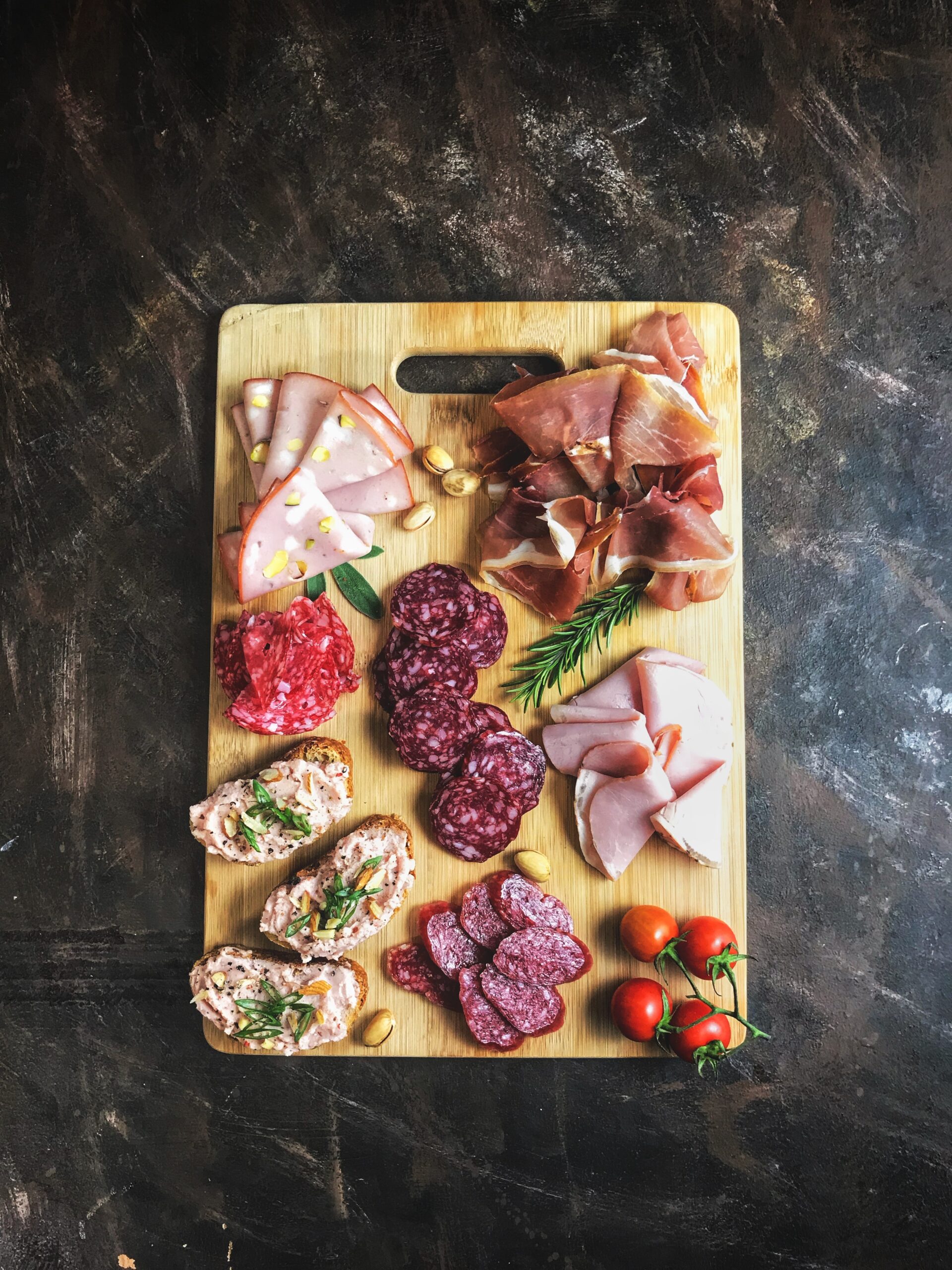
The professional slicer is an essential tool in butcher shops, delis, pizzerias, and restaurants, allowing salami, cheese, and other foods to be sliced evenly and quickly. Its invention revolutionized food preparation, ensuring precision, safety, and productivity.
📌 Brief History of the Slicer
The slicer was invented by Wilhelmus Adrianus van Berkel in Rotterdam in 1898 as a solution to speed up slicing ham, salami, and cheese, reducing manual labor and increasing productivity. Van Berkel’s machine used a rotating blade and a food carriage, allowing uniform slices to be obtained quickly and safely. Over time, the slicer evolved into modern professional machines, with adjustable thickness, stainless steel blades, and operator safety systems.
🧑🍳 Types of Professional Slicers
🔹 Gravity Slicer
- The food naturally moves toward the blade thanks to gravity.
- Ideal for soft salami and products, ensuring even and fast slicing.
- Allows processing large quantities of product without excessive effort.
🔹 Vertical Slicer
- The food is positioned vertically in front of the blade.
- Perfect for denser meats or large pieces of salami and cheese.
- Provides greater stability and safety when slicing large pieces.
🔹 Manual Slicer
- Requires manual movement of the carriage to push the food toward the blade.
- Ideal for small quantities or for those who prefer full control over slicing.
- Less productive than automatic models but useful in small delis or kitchens with low volumes.
🌿 Tips for Choosing a Slicer
- Type of food: gravity for soft salami, vertical for large or dense pieces, manual for small volumes.
- Workload: choose a model with capacity suitable for your kitchen’s needs.
- Materials and cleaning: stainless steel is preferred; parts should be removable and easy to clean according to HACCP standards.
- Safety: protected blades and locking systems reduce the risk of accidents.
✅ Conclusion
The slicer, invented by Wilhelmus Adrianus van Berkel, transformed the way salami and cheese are prepared, making kitchens more efficient, safe, and precise. Understanding the differences between gravity, vertical, and manual slicers allows choosing the tool that best suits the needs of your business, ensuring uniform cuts, product quality, and higher productivity in the kitchen.
Sull'autore