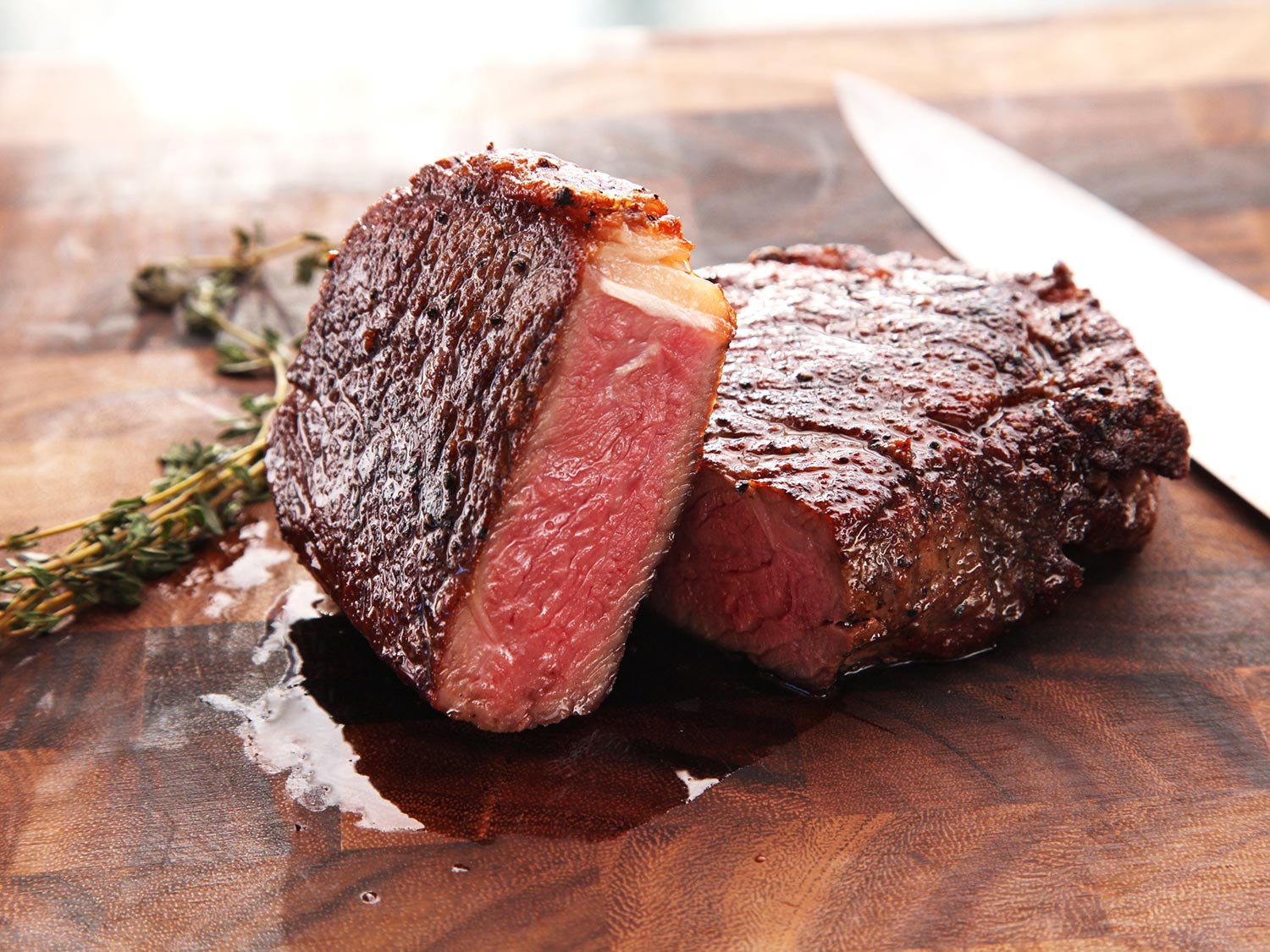
Sous-vide, or low-temperature cooking, is one of the most refined and precise culinary techniques in modern gastronomy.
Born in professional kitchens and now widely used in restaurants, catering, and food labs, it allows chefs to achieve perfect doneness, enhanced flavors, and superior texture while preserving the natural qualities of each ingredient.
🧪 What “Sous-Vide” Means
The French term sous-vide literally means “under vacuum.”
The process involves vacuum-sealing food in special bags and cooking it at a precisely controlled temperature, typically between 55 °C and 85 °C (131 °F – 185 °F).
Cooking takes place in thermal baths or professional ovens with digital temperature control, ensuring absolute consistency.
💡 Goal: to keep food tender, juicy, and evenly cooked — without losing flavor, aroma, or nutrients.
🍗 What It’s Used For
Sous-vide cooking is suitable for a wide range of foods:
- Meat (beef, poultry, pork): incredibly tender and flavorful, easy to reheat before service.
- Fish and seafood: delicate, even cooking that preserves texture and freshness.
- Vegetables: retain color, crunch, and nutritional value.
- Desserts and creams: precise temperature control prevents curdling or overcooking.
💡 Key advantage: exact temperature management means consistent quality, even in large-scale production.
⚙️ Where It’s Used
Sous-vide cooking is now standard in many professional environments:
- 👨🍳 Gourmet restaurants and bistros: for precise and repeatable cooking results.
- 🏨 Hotels and catering services: for optimizing prep times and ensuring consistency.
- 🍽️ Delis and artisanal kitchens: ideal for ready-to-serve, high-quality dishes.
- 🧊 Central kitchens and canteens: to handle large volumes efficiently without compromising quality.
🔧 Professional Equipment Needed
To cook sous-vide correctly, reliable and precise professional equipment is essential:
- 🫧 Vacuum sealer machine – to package and preserve ingredients properly.
- 🌡️ Immersion circulator (Roner) – to keep water temperature constant to the exact degree.
- 🥩 Thermal bath or combi-steam oven – for uniform, controlled cooking.
- ❄️ Blast chiller – for safe cooling and storage after cooking.
💡 Tip: investing in high-quality tools ensures efficiency, repeatability, and food safety across every service.
🧠 Advantages of Sous-Vide Cooking
- Exceptional tenderness and juiciness of meats.
- Preservation of natural flavors and nutrients.
- Reduced weight loss during cooking.
- Possibility of advance preparation and fast regeneration before serving.
- Consistency and standardization of professional results.
🏁 Conclusion
Sous-vide or low-temperature cooking is a revolution in modern professional cuisine.
It allows chefs to optimize workflows, reduce waste, and achieve unmatched precision and flavor.
Whether in a gourmet restaurant, hotel, or professional kitchen, this technique is the key to consistency, creativity, and culinary excellence.


Sull'autore