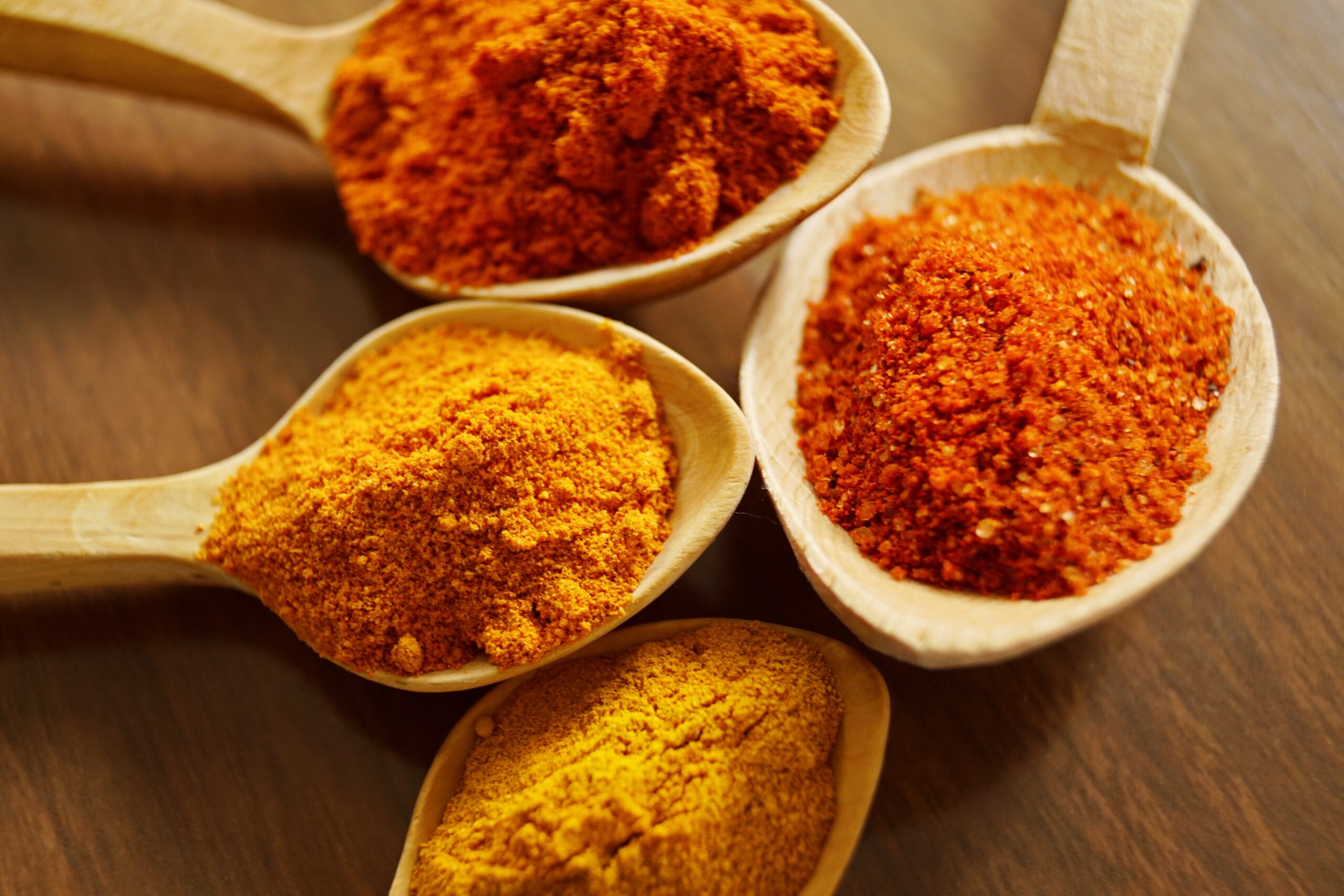
Spices are essential in professional kitchens, both to enhance the flavor of dishes and to highlight natural aromas, creating unique sensory experiences. When used correctly, they allow chefs to reduce salt, emphasize simple ingredients, and give character to meat, fish, vegetable, and dessert dishes.
📌 Role of Spices in the Kitchen
- Flavoring without adding excessive fats or calories.
- Enhancing the freshness of main ingredients such as fish, vegetables, and legumes.
- Balancing flavors: sweet, bitter, sour, salty, and spicy.
- Some spices also offer health benefits, such as antioxidant, digestive, or anti-inflammatory properties.
🥄 Main Types of Spices
- Dried spices: pepper, turmeric, paprika, ginger, cinnamon, nutmeg.
- Fresh spices: fresh ginger, galangal, fresh chili peppers.
- Aromatic herbs: basil, rosemary, thyme, oregano, parsley (often treated as spices in professional kitchens).
- Professional blends: curry, garam masala, Mediterranean or ethnic spice mixes.
🧑🍳 Practical Tips for Professional Kitchen Use
- Accurate dosing: quantity should be calibrated based on the type of spice and the recipe, avoiding overpowering other flavors.
- Timing of addition: some spices should be added during cooking, others at the end to preserve aroma and color.
- Proper storage: dried spices in airtight containers, away from light and humidity, to maintain fragrance and properties.
- Innovation and creativity: experiment with new combinations and blends to create unique, original dishes.
🌿 Benefits in Professional Kitchens
- Enhance the sensory experience of customers.
- Allow chefs to create healthier dishes by reducing fats and salt.
- Help restaurateurs differentiate themselves by offering distinctive flavors and memorable dishes.
✅ Conclusion
Spices are an indispensable element in professional kitchens: with in-depth knowledge, proper storage, and strategic use, they can transform simple dishes into gourmet creations, enhance local and international ingredients, and elevate the overall dining experience.
Sull'autore