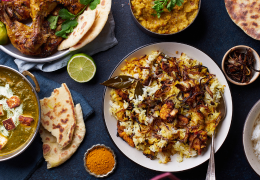

Indian cuisine is famous for its intense flavors, aromatic spices, and centuries-old traditions 🌶️. To bring these dishes into a professional setting, like a restaurant or ethnic eatery, it’s essential to know the key spices, flavors, and kitchen tools.
❄️ Essential Spices and Flavors
-
🌿 Turmeric: adds color and anti-inflammatory properties.
-
🌶️ Chili peppers: for heat and intensity.
-
🌱 Cumin and coriander: aromatic bases for curries and legume dishes.
-
🧄 Ginger and garlic: used in marinades and sauces.
-
🌾 Cardamom, cloves, and cinnamon: for sweet and spiced dishes.
⚙️ Essential Equipment
-
🍲 Tandoor and professional ovens: for naan, tandoori, and traditional dishes.
-
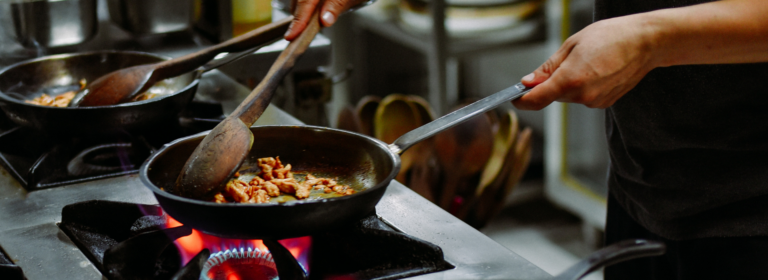
🔥 High-power stoves: essential for woks and fast preparations.
-
🥣 Mortar and pestle: for grinding fresh spices.
-
🥘 Stainless steel or copper pots: for slow, even cooking of curries.
-
🧹 Quick-clean tools: essential for hygiene in spice-heavy kitchens.
💡 Tips for a Professional Indian Kitchen
-
Prepare fresh spice mixes to get authentic aromas.
-
Use durable and easy-to-clean equipment due to spice dust.
-
Train staff on cooking times and flavor combinations.
-
Combine traditional dishes with innovative options to attract diverse customers.
✅ Conclusion
Indian cuisine requires attention to spices, proper techniques, and professional equipment 🛠️. With the right tools and quality ingredients, any restaurant can serve authentic and aromatic dishes, delighting customers.
Sull'autore