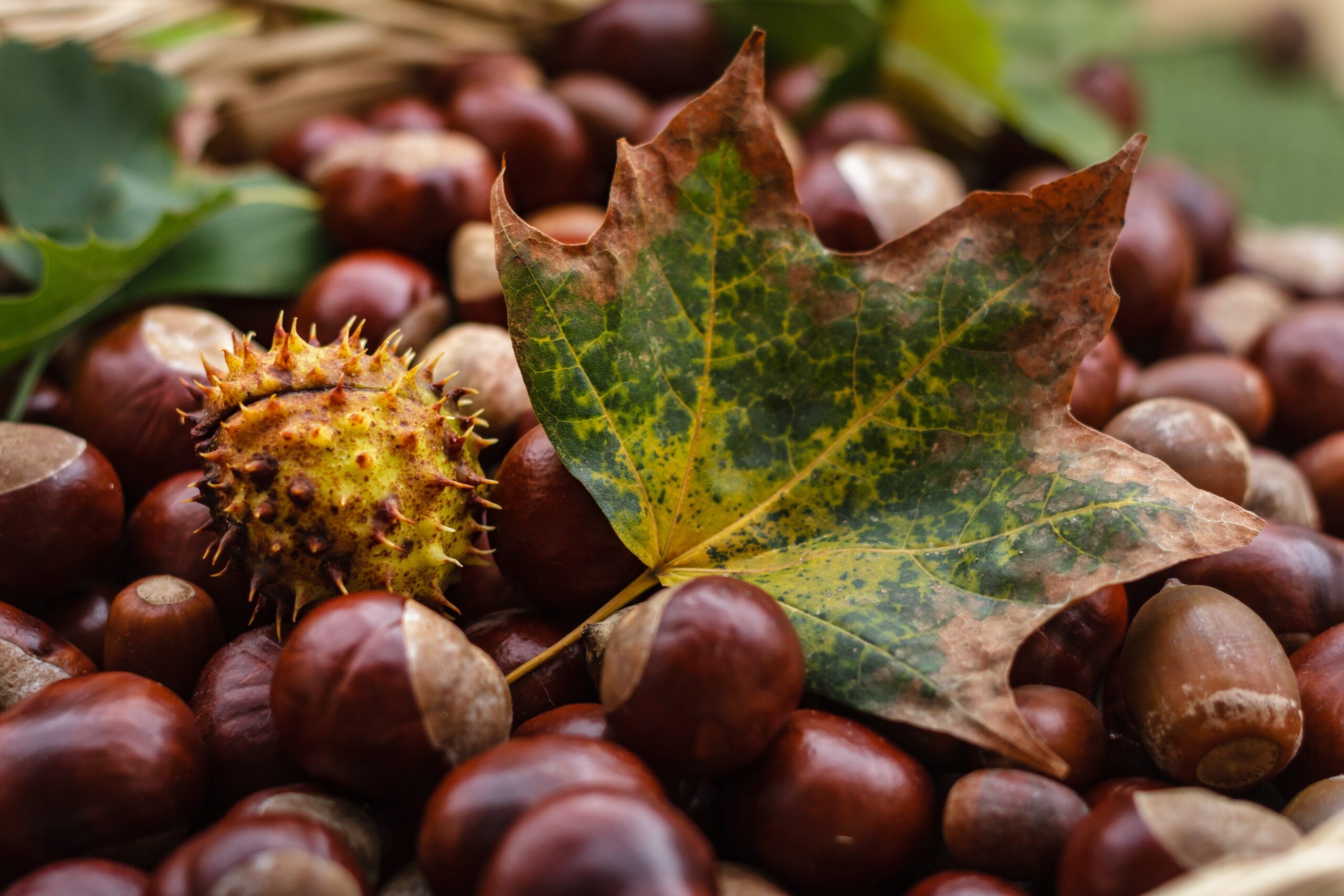
Chestnuts are one of the most appreciated autumn fruits, symbolizing the season and offering versatile uses in professional kitchens. Rich in nutrients and with a sweet, delicate flavor, chestnuts can be used in a variety of preparations, from desserts to savory dishes, making them a valuable ingredient for seasonal menus.
🗓️ Harvest Month
Chestnuts are typically harvested between September and November, depending on the variety and growing region. This seasonal availability makes them perfect for autumn-themed dishes and menus, allowing chefs to highlight fresh and genuine ingredients.
🥗 Nutritional Benefits of Chestnuts
Chestnuts offer several health benefits:
- ✅ Source of complex carbohydrates: ideal for sustained energy.
- ✅ Rich in vitamins and minerals: including vitamin C, potassium, magnesium, and iron.
- ✅ Low in fat: lighter and easier to digest than other nuts.
- ✅ Culinary versatility: can be roasted, boiled, pureed, or transformed into flour for desserts and baked goods.
🍽️ Professional Recipes with Chestnuts
Some classic and creative preparations for using chestnuts in professional kitchens:
- Chestnut cream: smooth and sweet, perfect for desserts, mousses, or as filling for cakes and tarts.
- Roasted chestnuts: simple or spiced, ideal for autumn buffets or savory pairings.
- Chestnut risotto: a gourmet dish combining the sweet taste of chestnuts with delicate rice, often enriched with aged cheese or mushrooms.
- Bread and desserts with chestnut flour: cakes, muffins, or rustic bread for unique seasonal offerings.
- Savory soups and purees: boiled or blended chestnuts can become the base for creamy soups, perfect for autumn menus.
🏁 Conclusion
Chestnuts are a nutritious, versatile, and flavorful autumn ingredient that enhances both sweet and savory dishes in professional kitchens. Their properties and taste offer chefs a wide range of creative possibilities for seasonal menus and exclusive desserts.

Sull'autore