Panettone is the symbol of Italian Christmas, internationally recognized for its soft texture, sweet flavor, and quality ingredients. Originating in Milan, it represents an excellence of Italian pastry, enjoyed for generations and present on tables around the world during the festive season.
📌 Origins of Panettone
The origins of Panettone date back to the 15th century in Milan, although legend says it was created by a young pastry chef named Toni, who invented the cake to win the heart of his employer’s daughter. From this story comes the name “Pan del Toni,” later evolving into Panettone.
The dessert quickly spread among noble families and then the general population, becoming a central part of Milanese Christmas dinners.
🥄 Main Characteristics
- Soft, naturally leavened dough, made with eggs, butter, flour, and sugar.
- Enriched with raisins and candied fruits (orange, citron, or lemon), adding aroma and balanced sweetness.
- Tall, cylindrical shape, with a golden crust and soft top.
- Often served in slices or accompanied by cream, chocolate, or mascarpone.
🌿 Spread and Variations
Today, Panettone is no longer just a Milanese dessert:
- Artisanal varieties: made with natural yeast and high-quality ingredients.
- Gourmet variations: with chocolate, berries, pistachio, or cream fillings.
- Industrial production: available worldwide, with attention to preservation and traditional taste.
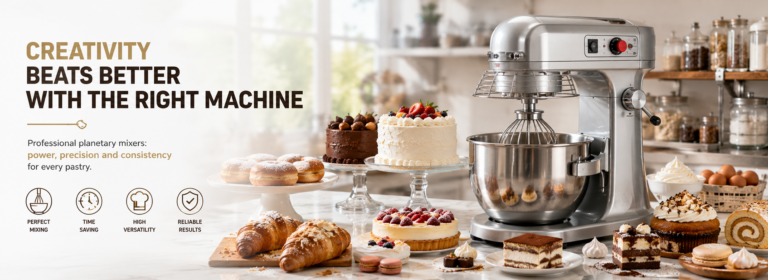
- In professional kitchens and pastry shops, thanks to specialized equipment, it is possible to prepare high-quality Panettoni, respecting ideal leavening times, temperature, and humidity.
✅ Conclusion
Panettone is more than just a Christmas cake: it represents tradition, history, and Italian culture, symbolizing conviviality and celebration. Its evolution continues to combine artisanal craftsmanship, innovation, and flavor, making it an icon of Italian pastry enjoyed globally.
Sull'autore