Italian cuisine and French cuisine are universally recognized as two of Europe’s greatest gastronomic traditions. Both have shaped global culinary culture, but they differ in philosophy, techniques, ingredients, and approach to dining. Understanding these differences is essential not only for food enthusiasts but also for professionals in the restaurant industry.
🍅 Italian Cuisine: Simplicity and Regional Pride
Italian cuisine emphasizes the quality and freshness of ingredients. Each region has a strong culinary identity, tied to seasonal produce and local traditions: from southern pasta dishes to northern risottos, Mediterranean vegetables to Alpine cheeses.
- Ingredients are few but carefully selected: extra virgin olive oil, tomatoes, pasta, cheeses, herbs, fresh meat, and seafood.
- The philosophy follows the principle of “less is more”, highlighting natural flavors without heavy sauces or complex techniques.
- Italian food culture is deeply convivial, designed to be shared at the table rather than just for presentation.
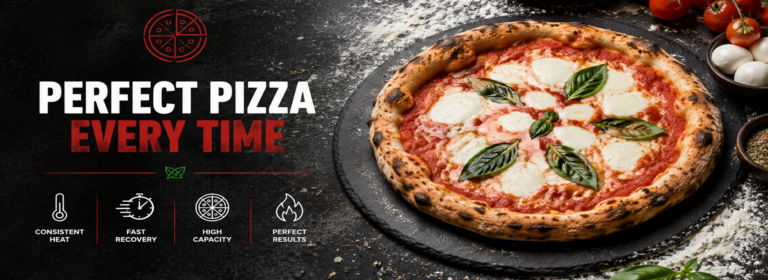
🍕 Iconic Examples: spaghetti with tomato sauce, lasagna, risotto alla Milanese, Neapolitan pizza, tiramisu, artisanal gelato.
🧈 French Cuisine: Technique, Elegance, and Precision
French cuisine is synonymous with refinement and technical mastery.
- It is a methodical cuisine, where every preparation follows precise rules from cooking to presentation.
- French chefs are known for their mastery of mother sauces (béchamel, hollandaise, velouté) and advanced cooking techniques.
- Presentation is essential; the eye “eats” as much as the palate.
- In France, gastronomy is also art and social status, represented by Michelin-starred restaurants, professional brigades, and elite culinary schools.
🥖 Iconic Examples: boeuf bourguignon, ratatouille, foie gras, croissant, crème brûlée, soufflé.
🍷 Two Culinary Cultures, Two Philosophies
While Italy focuses on authentic taste and simplicity, France emphasizes technique and visual perfection.
- Italians cook by intuition, adding a pinch of salt and adjusting by feel.
- French chefs measure, time, and control every step in a highly structured kitchen.
- Italians celebrate spontaneity, fresh herbs, and family-style dining.
- French chefs highlight precision, balance, and harmony, with meticulous plating.
🍽️ Both traditions share a core value: passion for food as a cultural and identity expression.
🧑🍳 Professional Kitchens for Italian and French Cuisine
On ristorazione-refrigerazione.it, there is a category dedicated to professional kitchens, suitable for any culinary style, whether Italian or French.
- Modular stainless steel kitchens allow chefs to customize workspaces according to their needs.
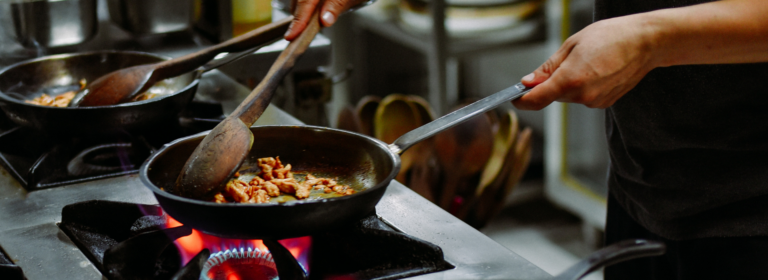
- Kitchens are available with gas or electric burners, multifunction ovens, and high-power stovetops, perfect for both fast Italian cooking and precise French techniques.
- Solutions are also available for ethnic or gourmet kitchens, ensuring high performance, safety, and easy cleaning.
❤️ Italy and France: Rivals or Complementary?
In reality, these two culinary traditions complement each other.
Many modern chefs combine Italian simplicity with French technique, creating cuisine that is both refined and authentic.
The gourmet approach to Italian food and the revival of tradition in French cuisine demonstrate that, beyond borders, what truly matters is love and passion for food.
Sull'autore