In recent years, Japanese cuisine in Italy has become one of the most appreciated and popular gastronomic trends. From sushi restaurants to ramen bars and modern izakayas, Japanese food represents quality, precision, and respect for ingredients.
🍱 The Main Dishes of Japanese Cuisine
Japanese cuisine stands out for its balance between simplicity and technique. Here are the most common dishes you’ll find in Japanese restaurants across Italy:
- Sushi 🍣: the symbol of Japanese gastronomy, prepared with rice, raw or cooked fish, nori seaweed, and sauces like soy or wasabi. It includes several varieties such as nigiri, maki, uramaki, and temaki.
- Sashimi 🐟: thin slices of raw fish or seafood, served without rice to highlight freshness and quality.
- Ramen 🍜: a traditional soup made with wheat noodles served in a meat, miso, or soy broth, with eggs, seaweed, meat, or vegetables.
- Tempura 🍤: vegetables, shrimp, or fish coated in a light batter and fried until crisp and golden.
- Onigiri 🍙: rice balls wrapped in nori seaweed, often filled with salmon, tuna, or pickled plum (umeboshi).
- Donburi 🍚: a rice bowl topped with meat, fish, or vegetables—simple, balanced, and perfect for quick meals.
Each dish reflects a philosophy of harmony, freshness, and respect for natural ingredients, making Japanese cuisine a refined and healthy choice.
🔪 Professional Equipment Used in Japanese Restaurants
Japanese restaurants in Italy combine traditional recipes with modern professional equipment to guarantee efficiency, hygiene, and perfect results.
Some of the most used tools include:
- Refrigerated sushi counters 🧊 to keep fish and ingredients at the ideal temperature.
- Professional fryers 🍤 for light and crispy tempura.
- Rice cookers and Japanese pots 🍚 for perfect rice preparation in sushi and donburi dishes.
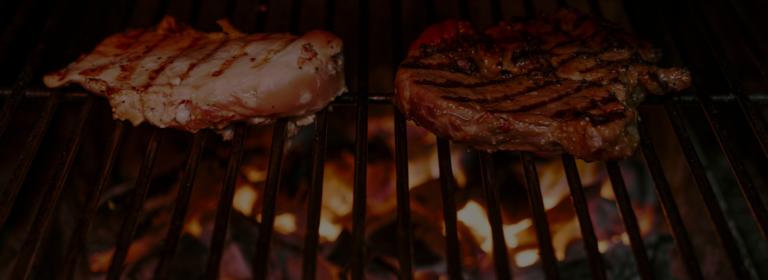
- Professional ovens and grills 🔥 used to cook yakitori, teriyaki, or warm dishes.
- Japanese knives (hocho) 🔪 with ultra-sharp blades for precise cuts and delicate presentation.
- Stainless steel work tables 💎 ensuring hygiene, durability, and easy cleaning.
🌍 Ethnic Kitchens on ristorazione-refrigerazione.it
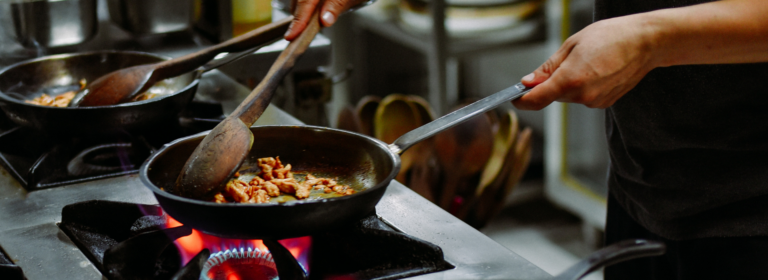
On ristorazione-refrigerazione.it, there is a special category dedicated to professional ethnic kitchens, designed for the preparation of Japanese, Chinese, Thai, and other international cuisines.
This section offers a wide range of specialized cooking equipment built to deliver high performance, durability, and energy efficiency.
The professional ethnic kitchens available on the site are ideal for:
- 🍜 Japanese and Asian restaurants, needing woks, fryers, grills, and high-performance cooking lines
- 🌶️ Fusion and street food concepts, where speed and versatility are key
- 👨🍳 Professional chefs who require durable and precise equipment for authentic and modern cooking
With numerous configurations and modular options, every restaurant can find the perfect solution for its needs, ensuring high standards of quality and safety.
🧭 Why Japanese Cuisine Is So Successful in Italy
The success of Japanese cuisine in Italy is driven by several factors:
- 🍽️ The shared pursuit of freshness and quality, deeply valued in both Italian and Japanese food culture.
- 💡 The aesthetic appeal and visual presentation of dishes captivate Italian diners.
- 🕊️ Japanese cuisine is seen as healthy, balanced, and elegant, perfectly fitting modern lifestyles.
- 👨🍳 The use of professional kitchens and specialized equipment ensures consistent and superior results.
Today, Japanese cuisine is fully integrated into Italian dining culture—a perfect fusion of tradition and innovation that continues to inspire chefs and food lovers alike.
Sull'autore