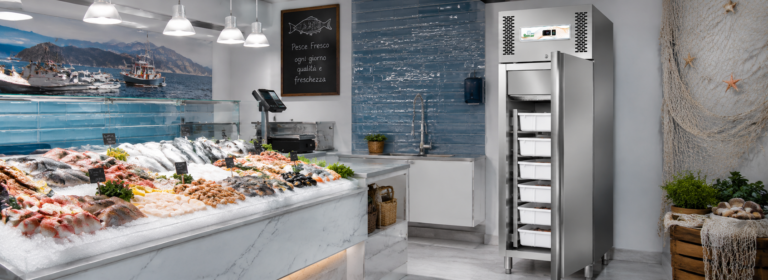
In the foodservice industry, waste management is not just a matter of organization, but it’s also linked to food safety, operational efficiency, and environmental sustainability. One of the most innovative and effective solutions to address this issue is the use of refrigerated boxes. But what exactly are they, and why are they so important?
What Are Refrigerated Boxes?
Refrigerated boxes are temperature-controlled containers designed to keep items either cold or at ambient temperature safely and efficiently. These boxes are mainly used to store and transport food or organic waste, ensuring they stay fresh or do not spoil. However, in the foodservice industry, their role also extends to waste management.
Why Are They Important for Waste Management?
- Maintaining Hygiene Standards
One of the most critical aspects of foodservice waste is hygiene. Organic waste, such as food scraps, can decompose quickly, emit unpleasant odors, and attract pests if not managed properly. Refrigerated boxes help slow down the decomposition process by maintaining a controlled temperature, reducing the risk of contamination, and keeping the workspace clean and safe. - Odor Reduction
Decomposing food waste can produce intense and unpleasant odors that can compromise the dining experience and disturb guests. By using a refrigerated box, these odors can be prevented, creating a healthier and more pleasant environment for both staff and customers. - Simplified Waste Disposal
Another significant advantage of refrigerated boxes is that they make waste disposal much easier. Since the waste is stored safely and hygienically, staff can organize and transport waste more efficiently, reducing the risks associated with improper handling. This is especially helpful for businesses that need to dispose of large quantities of food waste regularly. - Environmental Sustainability
In addition to contributing to safety and hygiene, the use of refrigerated boxes is also a crucial step toward sustainability. Proper management of food waste is essential to reducing the environmental impact of the foodservice industry. Waste that is correctly stored and disposed of through cooling and recycling can be transformed into compost or energy, reducing the amount of waste that ends up in landfills.
How to Choose the Right Refrigerated Box?
When selecting a refrigerated box for waste management in the foodservice industry, it’s important to consider several key factors:
- Capacity: The size of the box should be appropriate for the amount of waste your business generates daily.
- Energy Efficiency: Opt for models that consume less energy to keep operational costs low.
- Material and Durability: The boxes should be made from durable, easy-to-clean materials to ensure long-lasting use and maintain hygiene.
- Ease of Maintenance: A good refrigerated box should be easy to maintain, with automatic defrost systems and a design that facilitates cleaning.
- Temperature Control: Ensure that the refrigeration system is precise and reliable to maintain waste at the optimal temperature.
Long-Term Benefits
Investing in a refrigerated box for waste management can provide numerous long-term benefits. Not only will you help keep your business clean and safe, but you will also contribute to more ecological and responsible practices. Effective food waste management enhances operational efficiency and represents a tangible commitment to sustainability and waste reduction.
In conclusion, refrigerated boxes are an essential resource for foodservice operators who want to manage waste in a hygienic, safe, and efficient manner. Investing in adequate refrigeration solutions is not just a necessity for proper kitchen function but also a fundamental step toward more responsible and environmentally friendly foodservice practices.
If you’d like to learn more about refrigerated boxes for your business, visit our website ristorazione-refrigerazione.it to discover the solutions best suited to your needs!
Sull'autore