Non-stick baking trays have become an essential item in both professional and home baking, thanks to their numerous qualities that make them particularly suitable for preparing cakes, cookies, pastries, and other sweet treats. The non-stick surface that characterizes Teflon, a synthetic material known for its durability and ease of cleaning, is the secret behind these trays. Let’s explore why you should consider using non-stick baking trays and how to make the most of them in pastry.
1. What is a Non-stick Baking Tray?
A non-stick baking tray is a tray coated with a non-stick material, specifically Teflon. This coating is designed to prevent food from sticking to the tray’s surface during baking. Teflon is extremely durable, and trays made from this material are extremely popular among pastry chefs, both professional and amateur, due to its ability to ensure even baking and easy removal of baked goods without damaging them.
2. Advantages of Non-stick Baking Trays in Pastry
a. Even Baking
The non-stick coating allows for even heat distribution, preventing the bottom of baked goods from cooking too quickly or unevenly. This is particularly useful for making fluffy cakes, crispy cookies, and delicate doughs that require precise cooking.
b. Easy Removal of Baked Goods
One of the biggest advantages of non-stick baking trays is the easy removal of baked goods once they are done. Since the dough doesn’t stick to the surface, cakes and cookies can be removed without breaking, preserving their shape and texture.
c. Less Need for Fat and Oil
Thanks to the non-stick coating, there’s no need to heavily grease the tray with butter or oil, making your baking less greasy and cleaner. This is especially useful for those who are aiming to bake low-fat treats or simply want to save time on cleanup.
d. Easy to Clean
Non-stick trays are incredibly easy to clean. Not only do they reduce the need for vigorous scrubbing, but they can also be washed by hand or in the dishwasher. The non-stick surface prevents batter from sticking, reducing the risk of permanent stains.
e. Durability and Strength
Though Teflon is known for being sensitive to scratches, high-quality non-stick baking trays are designed to withstand wear and tear. A good set of non-stick trays can last a long time when properly cared for, without compromising their non-stick properties.
3. How to Use Non-stick Baking Trays in Pastry?
a. Preheat the Oven
It’s important to preheat the oven before placing the baking tray inside so that the baking process is even and accurate. There is no need to preheat the tray itself, as Teflon ensures even heat distribution.
b. Control the Temperature
Since the non-stick coating allows for quicker and more even baking, it’s advisable to reduce the oven temperature slightly compared to the temperature suggested in a standard recipe. This will help prevent baked goods from over-browning or drying out.
c. Avoid Metal Utensils
Even though non-stick trays are quite durable, using metal utensils such as spatulas or knives can damage the non-stick coating. It’s recommended to use utensils made of plastic, wood, or silicone to avoid scratching.
d. Don’t Overcrowd the Tray
To achieve optimal baking results, avoid overcrowding the tray. Leave some space between the batter and the edges to allow for even heat distribution.
4. Practical Applications in Pastry
Non-stick baking trays are ideal for a wide range of baked goods, including:
- Cakes and Loaf Cakes: Thanks to the smooth, non-stick surface, cakes and loaf cakes can be easily removed without damage.
- Cookies and Biscuits: Cookies won’t stick to the tray, ensuring they bake evenly with golden edges and a light texture.
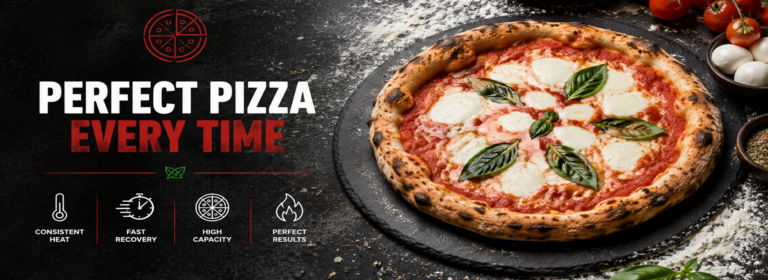
- Pizzas and Focaccias: While they’re most commonly used for sweets, non-stick trays are also great for baking pizzas or focaccias, as they allow for even heat distribution and a crispy crust.
- Muffins and Cupcakes: Because the batter doesn’t stick, non-stick trays are perfect for muffins and cupcakes, allowing for easy removal.
5. Maintaining Non-stick Baking Trays
While non-stick trays are easy to clean, it’s important to follow some maintenance rules to prolong their lifespan:
- Avoid Excessive Heat: Never use temperatures above 250°C, as high heat can damage the non-stick coating.
- Gentle Cleaning: Use a soft sponge and mild detergent to avoid damaging the coating.
- Storage: Avoid stacking other trays or heavy objects on top of non-stick trays to prevent scratches or damage to the surface.
Conclusion
Non-stick baking trays are a versatile and indispensable tool in any pastry kitchen, whether professional or home-based. With the right care, they can help you achieve a wide range of baked goods, ensuring perfect results and quick clean-up. Whether you’re baking a fluffy cake or crisp cookies, non-stick trays will make your baking experience easier and more efficient.
Sull'autore