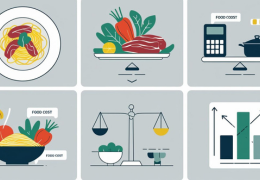

Managing food cost 🍽️ is one of the main challenges for every restaurant owner. Controlling ingredient costs without compromising dish quality is essential for profitability, waste reduction, and efficient operations.
This guide highlights common mistakes and winning strategies to optimize your restaurant’s food cost.
⚠️ Common Mistakes in Food Cost Management
- ❌ Overbuying or unplanned purchases: leads to waste and ingredient spoilage.
- ❌ Lack of cost monitoring: not calculating cost per dish makes it hard to know true profitability.
- ❌ Non-standardized portions: variable servings increase costs and reduce control.
- ❌ Inefficient inventory management: expired or poorly stored products generate waste.
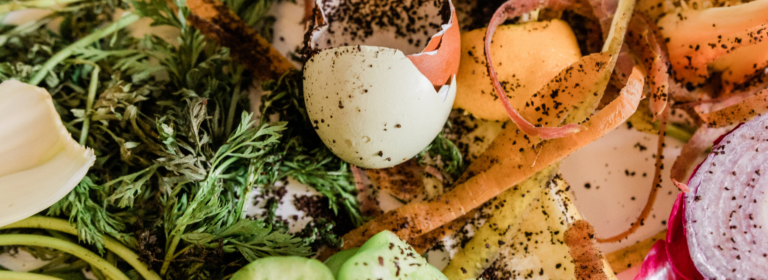
- ❌ Not utilizing leftovers: unused ingredients can be repurposed in other dishes.
✅ Strategies to Optimize Food Cost
- 📊 Accurate cost per dish calculation: track ingredient costs and profit margins.
- 🧾 Portion standardization: ensures consistency and cost control.
- 🛒 Smart inventory management: use FIFO (First In, First Out) and check expiration dates.
- ♻️ Creative ingredient reuse: use scraps and leftovers for new dishes.
- 📈 Periodic data analysis: monitor sales, waste, and dish performance to optimize the menu.
💡 Practical Tips
- Use management software for cost and inventory control.
- Train staff on the importance of food cost and proper ingredient use.
- Plan your menu according to seasonal products and availability.
🧼 Conclusion
Proper food cost management combines quality, efficiency, and profitability 🔝. With precise strategies and attention to detail, any restaurateur can reduce waste, increase margins, and improve customer satisfaction.
💡 Discover our professional solutions 🛠️ for food cost control and efficient kitchen management on our website: Visit the catalog
Sull'autore