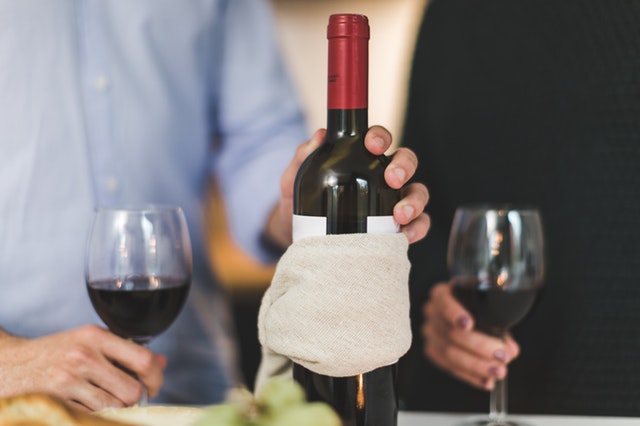
The wine list is a fundamental tool in a restaurant’s gastronomic offering: it should be designed not just as a list of bottles, but as an integral part of the restaurant’s identity, perfectly aligned with the menu and the customer experience.
📌 Define Identity and Menu Coherence
Before selecting wines and designing the wine list, it’s important to ask: What is the style of my restaurant? What dishes do I serve? Who is my target clientele? A well-crafted wine list must reflect these choices. For example, if the restaurant offers traditional Italian cuisine, it makes sense to include a strong selection of Italian wines, possibly with a few international labels as complements.
🗂 Structure the List Clearly
The wine list should be intuitive and well-organized. Classic categories include sparkling wines, whites, rosés, reds, and dessert or fortified wines. Within each category, it’s useful to group wines by region, type, or flavor intensity. Avoid making the list confusing or overly long, as too many options can overwhelm customers.
💶 Price Range and Commercial Strategy
The list should offer options for different budgets: an entry-level range, a mid-range selection, and a few premium labels. Avoid listing wines strictly by price, as placing the cheapest bottles first can discourage exploration. Wines sold by the glass require special attention to rotation and freshness.
✍️ Descriptions and Communication
Next to each wine, include: vintage, region, grape variety, brief tasting notes (e.g., “fresh, fruity, tannic”), and, if possible, suggested food pairings from the menu. Language should be accessible, avoiding overly technical jargon that may confuse non-expert customers.
🔄 Evolution and Seasonality
The wine list should not be static: it should be updated regularly to remove unsold labels, add new selections, and adapt to seasonal menu changes. Wines by the glass can also rotate weekly or monthly to maintain interest.
🧑🍳 Staff Training and Sales Support
A well-designed wine list is only effective if staff are trained to present it competently and suggest pairings. Team training on main wines, styles, and pairings is essential.
✅ Conclusion
Creating an effective wine list requires combining strategy, careful selection, visual clarity, and constant updates. A thoughtfully curated wine list enhances the restaurant’s image, satisfies customers, and supports increased wine sales.
Sull'autore