Following a gluten-free diet is essential for those who suffer from celiac disease, non-celiac gluten sensitivity, or other gluten-related conditions. However, even those who choose a gluten-free lifestyle for general wellness can benefit from a balanced and mindful approach.
📌 What Is Gluten
Gluten is a protein found in wheat, barley, rye, and spelt. In some individuals, it can cause digestive issues, inflammation, or immune reactions, making complete elimination necessary for those with celiac disease.
🥗 Naturally Gluten-Free Foods
Many foods are naturally free of gluten and can form the foundation of a healthy diet:
- Grains and pseudo-grains: rice, corn, quinoa, millet, buckwheat, amaranth.
- Legumes: lentils, chickpeas, beans, peas.
- Fruits and vegetables: fresh, frozen, or dried.
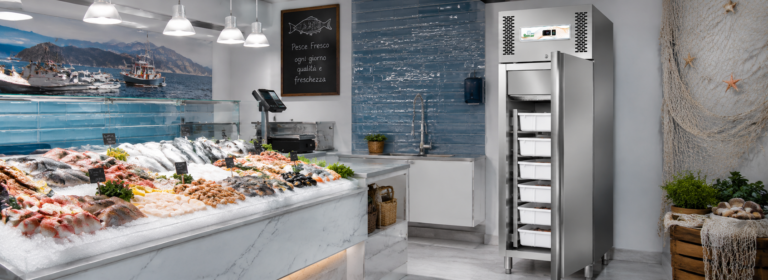
- Meat, fish, and eggs: naturally gluten-free foods.
- Dairy products: milk, cheese, and yogurt without added gluten-containing ingredients.
🍞 Packaged Gluten-Free Products
For bread, pasta, cookies, and snacks, it is essential to carefully read labels and choose certified gluten-free products.
- Prefer alternative flours such as rice, corn, chickpea, or almond flour.
- Ensure cross-contamination is avoided, especially for celiac individuals.
🧑🍳 Practical Tips in the Kitchen
- Separate utensils and surfaces: avoid cross-contact with flour or products containing gluten.
- Plan meals: ensure variety and essential nutrients like protein, fiber, vitamins, and minerals.
- Experiment with herbs and spices: enhance flavors without adding gluten.
🌿 Benefits of a Balanced Gluten-Free Diet
When properly followed, a gluten-free diet can:
- Improve digestion and reduce bloating or gastrointestinal discomfort.
- Increase attention to food quality and seasonality.
- Promote a more natural diet with whole, fresh products.
⚠️ Common Mistakes to Avoid
-
Removing gluten without proper food substitutions can lead to nutritional deficiencies (iron, fiber, B vitamins).
-
Not all gluten-free products are automatically healthy: many contain added sugars or fats to improve texture.
✅ Conclusion
A well-structured gluten-free diet requires attention, planning, and knowledge of ingredients.
Choosing naturally gluten-free foods, certified products, and proper cooking techniques allows for a safe, tasty, and nutritionally balanced gluten-free lifestyle.
Sull'autore